

Aether is the startup I’ve started working on in March 2018 and ran until now. For it, I’ve raised two rounds of venture capital funding and built a small team.
I was the primary designer for it through the entirety of its existence. Anything that related to design, in any form, from product design to branding and visual design, even illustrations, was my work.
Index
This project is big — here are some quick jump links.
Aether P2P
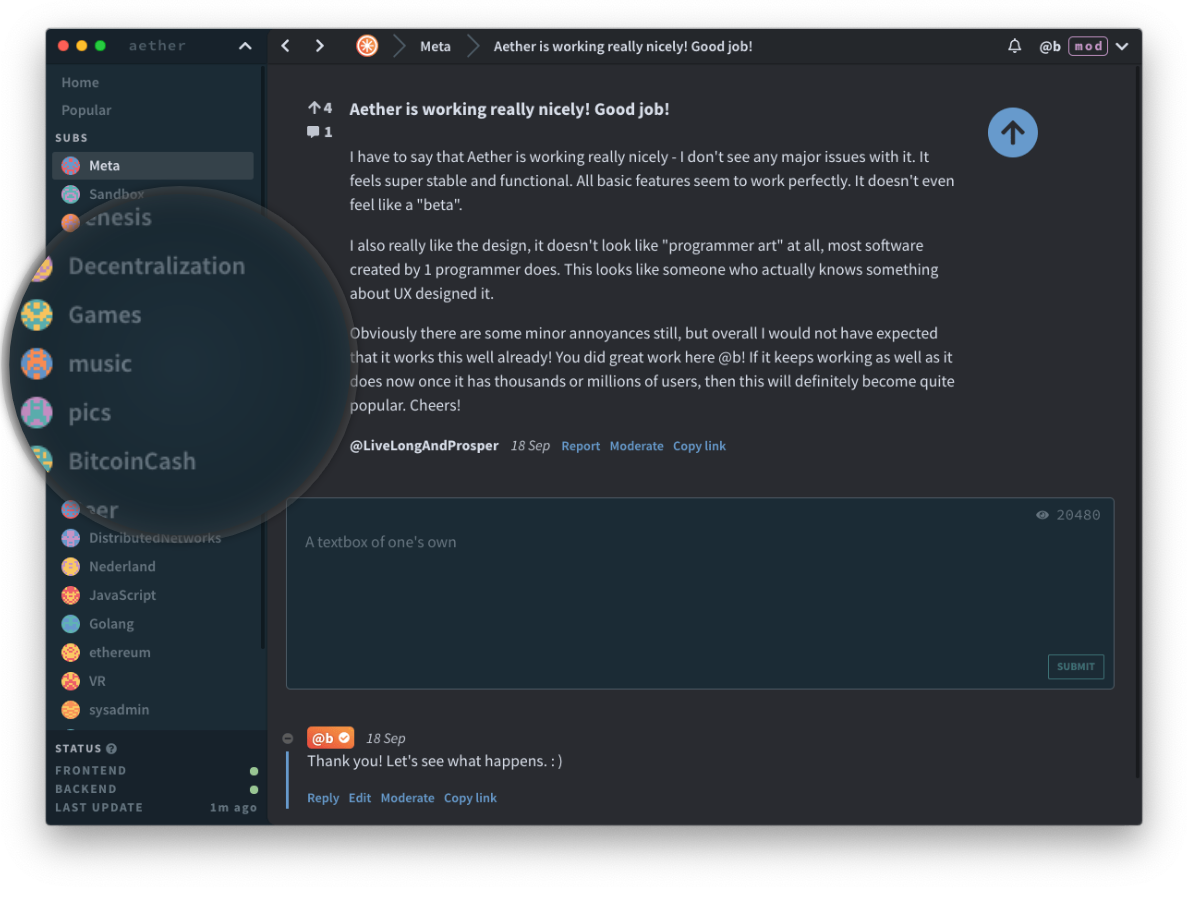
Aether P2P is an open-source, peer-to-peer social network that is roughly similar to Reddit.
The Problems for Aether P2P
Aether P2P was an attempt to solve the following problems.
Internet resilience. Today’s internet is largely built on a few focal points, large companies that serve crucial needs. This is very efficient, but it is also not the best in terms of safety — because in case any of them goes down, it takes with it a significant amount of functionality. For example, Google going down would render large parts of email system non-functional because Gmail is a centralised service hosted by Google. This is not the only way to provide services.
Platform ownership = control over discussion. In real life, there are clear rules on what one can do in public spaces and what rights one has. Likewise private spaces are also known, and the in them are clearly set by someone else.
On the internet, there are no public spaces, all space is private space that belongs to someone. For the most part this worked well because of cultural constraints (i.e. most people do not like to be told what to say). However, this is not a given, not without a truly public gathering place on the internet that belongs to no one.
Solutions I came up with
A public space owned by nobody. This is the ultimate goal of Aether P2P, in that it creates a decentralised space with no owners. It also does not incur any hosting or maintenance costs, so it can truly be free for all.
Sharp moderation tools. To temper this free-for-all and make it less a bar fight and more a thought-out space for discussion, we need to offer extremely well-made moderation tools. This is of utmost importance, because without moderation, the value of this open space is negative.
Consent of the governed. On the flip side, to ensure the moderators do not end up tyrants, moderators need to be elected from the community on a continuous basis, and an individual user can have their own moderators list that he or she trusts. The app then locally re-renders the social network based on only those moderators' decisions.
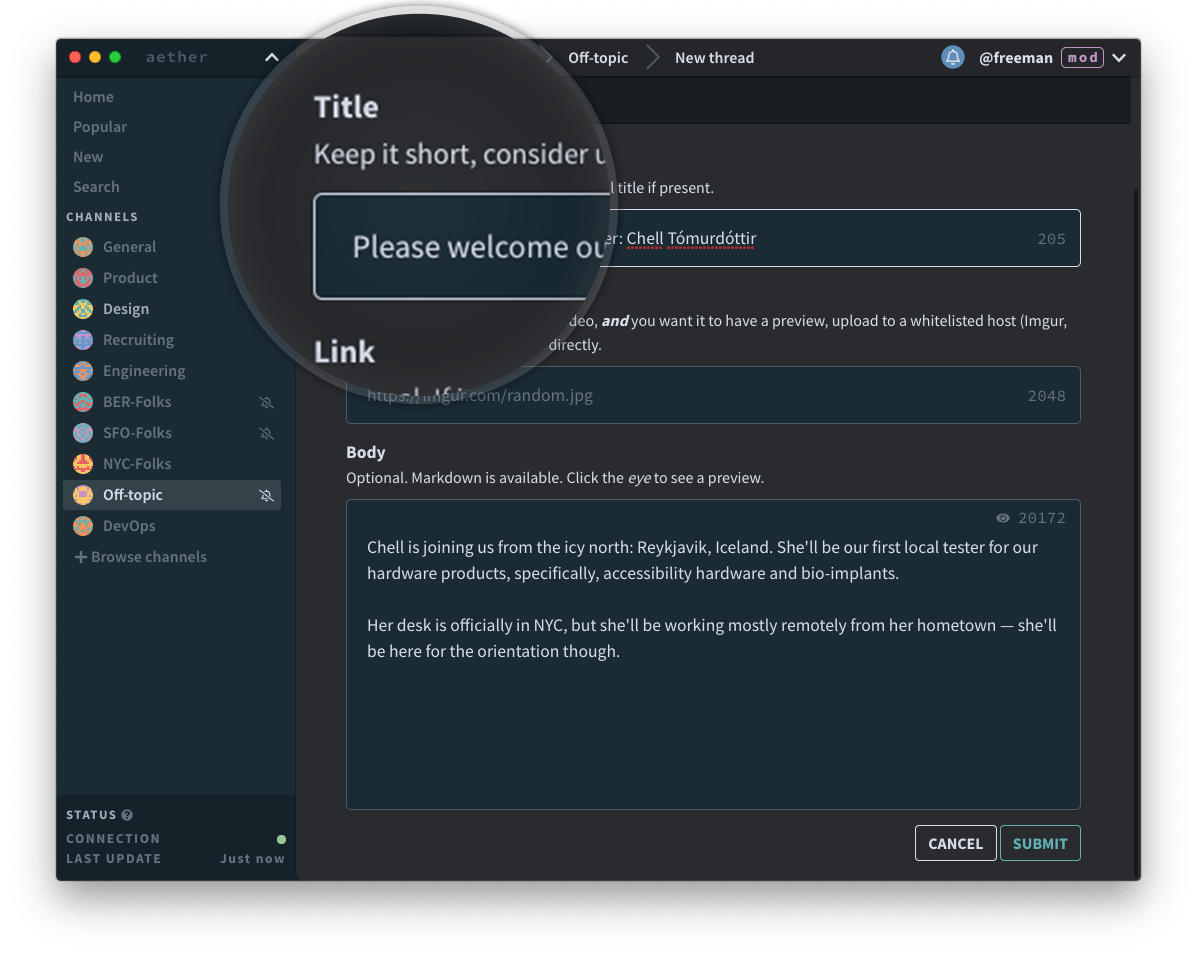
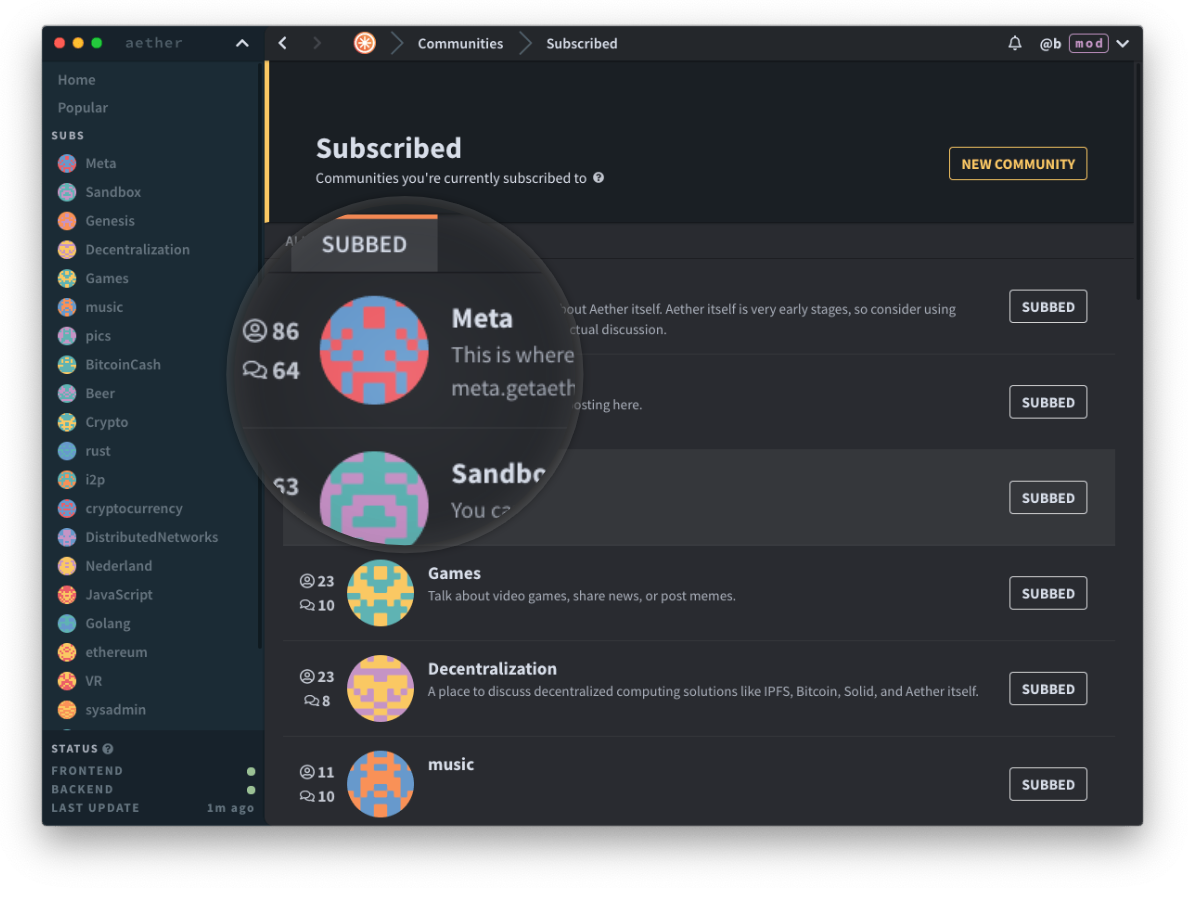
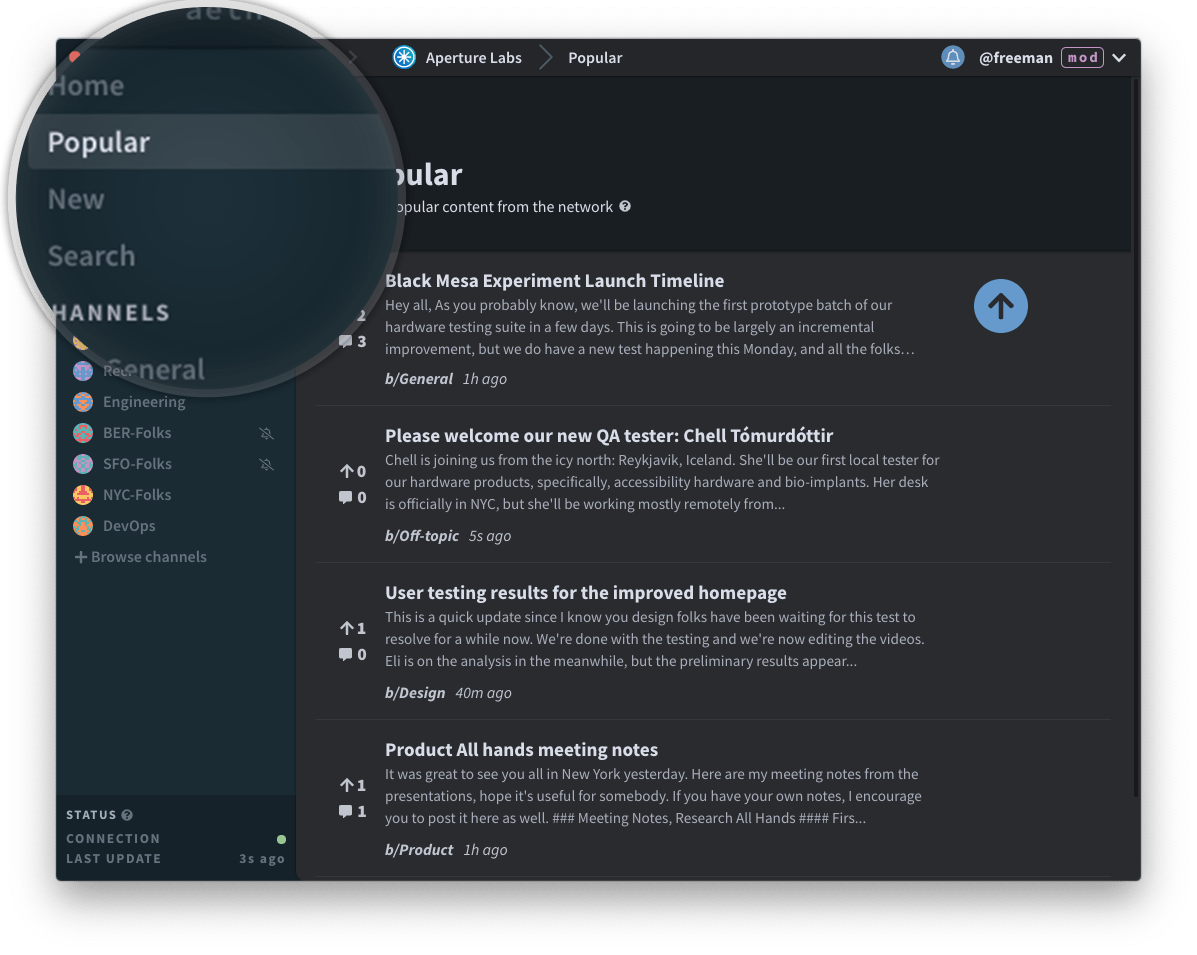
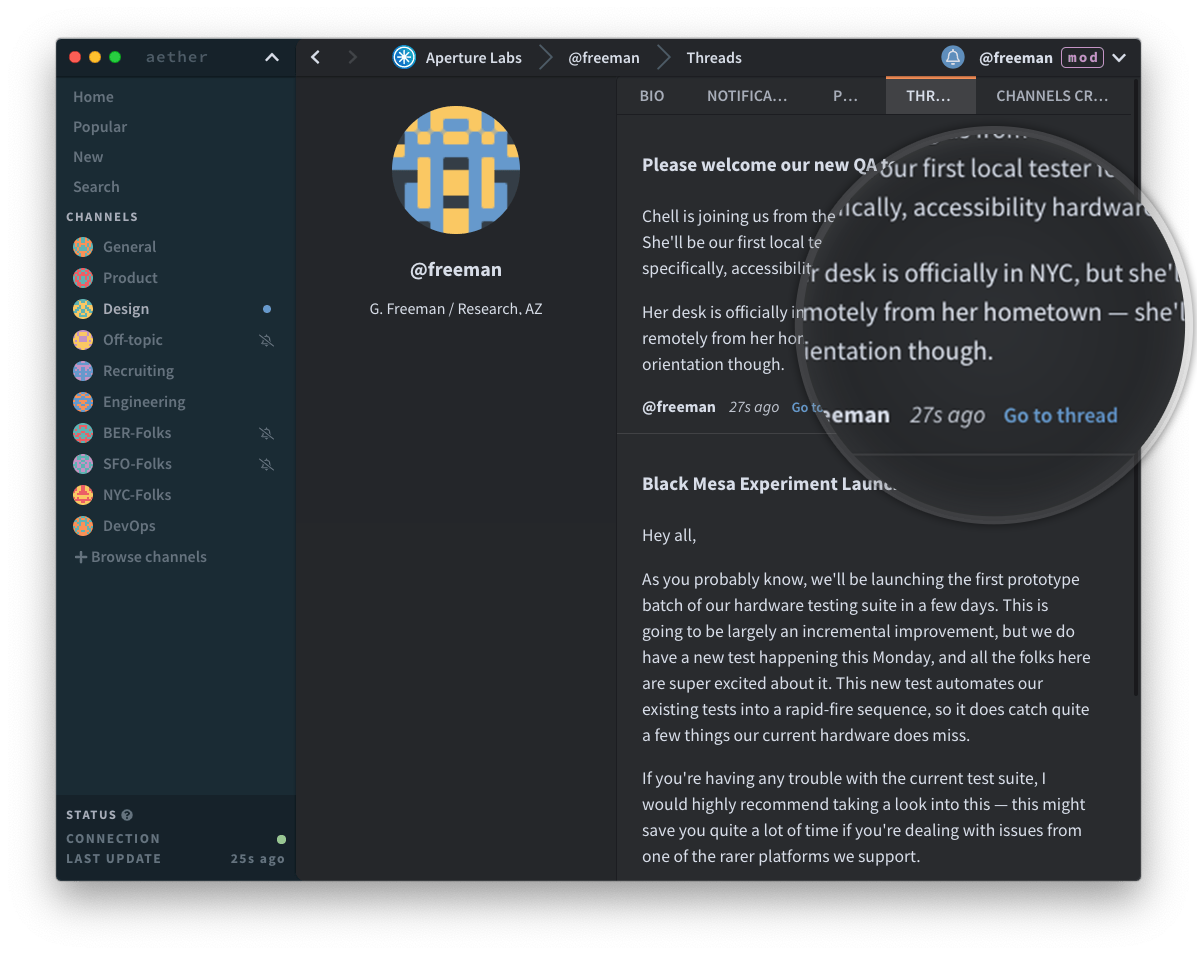
Design
Links
Aether P2P is a real, working product with 2000+ monthly active users; you can check it out and join the discussion by downloading the app. It is also open-source, the code is available on Github.
-
Aether P2P: getaether.net
-
Source code: Aether Github
Aether Pro
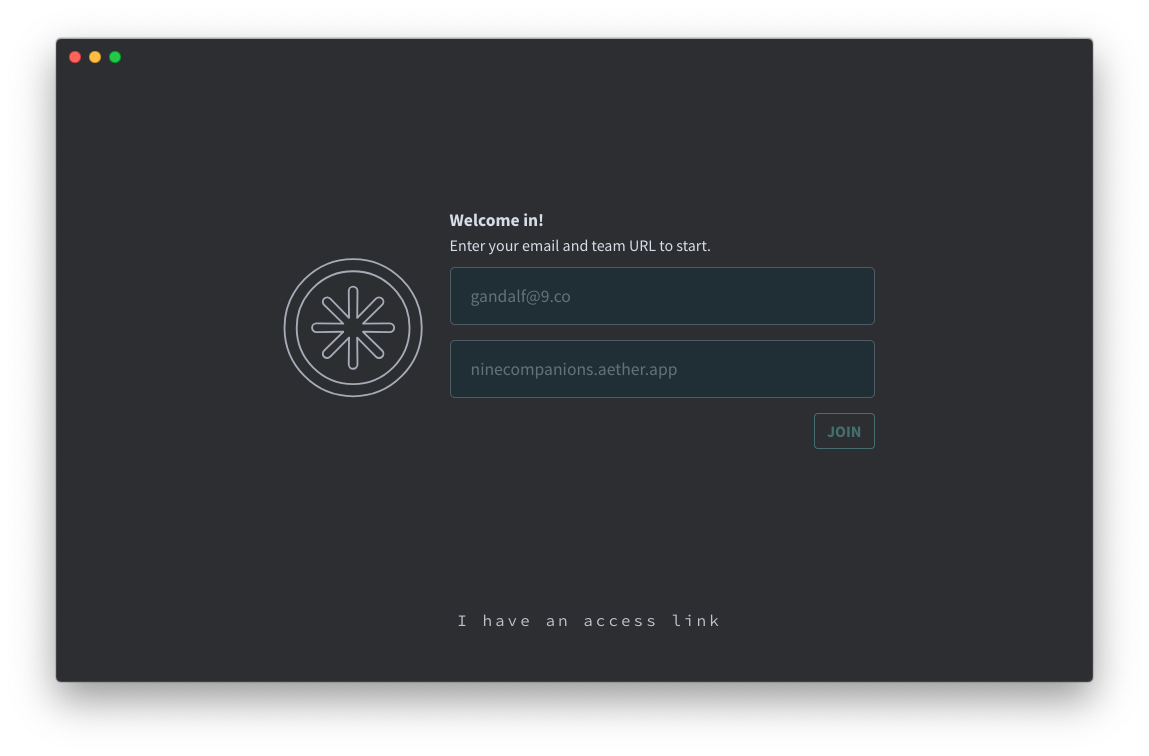
Aether Pro is a group communication app, similar to Slack or Discord. Early on it was a largely business-focused tool, but later into its lifetime, we’ve found that our values match more with private communities rather than businesses, so it has become a tool that serves Aether P2P users that happen to need a private group for their friends.
Historical context
-
Aether Pro came out of user demand. After I had released the P2P version in 2018, I’ve gotten several requests from companies that wanted to use Aether in a private setting, in their internal network.
-
Aether P2P was unable to host private content since it is a peer-to-peer network. This is because peers on the network are not incentivised to serve any content that they themselves cannot see.
-
As the product designer of the app I could build this feature into the app anyway, however, since the app is open source, this would create a situation where the app is forked and reverted to a state where it does not have this feature.
-
In the light of the requests, I ended up chatting with a few venture capital investors, and raised a funding round to test this idea and convert Aether into a company.
The Problem(s)
Chat killed email in the workplace, without filling its use as a long-form discussion tool. This causes chat to be forced into a long-form discussion tool, however, when more than 3 people are having a conversation, it is very difficult to make sense of the conversation flying by at warp speed.
The current chat tools generate a notification waterfall of boundless proportions, and they have no business incentive to fix this. Every internal communication tool is aimed at generating the maximum number of viable notifications to maximize the time spent in the app, and by proxy, its daily/weekly/monthly active users. This causes the users to be bombarded with notifications with very little ability to restrict the influx because having ‘notify-all all the time’ as the default creates the cultural expectation of ‘respond instantly at all times or be seen as slacking’ as a result.
Chat is ephemeral and it’s almost impossible to reference some chat conversation or even find it a few weeks after it has happened. It has no way to store information for the long term, nor to structure it to make it easier to understand. This is a result of the nature of chat, and it is the downside of it being easy and ‘light’. Discussions made this way mostly remain only in the fading memories of the direct participants, and no one else can make sense of it if they were not there at the time it was happening.
User research
Aether Pro as the combination of Reddit-style threads and chat is in fact the second iteration of the product. The first version of Pro did not have chat, and it was a much more direct conversion of P2P to a business tool mostly as-is.
We had about 45 paying teams for Pro v1, and our retention numbers could be better. At about halfway mark, we started a diary study and I started to funnel almost all of the qualifying paid teams, if they accepted, into research sessions to figure out the issues with retention.
Learnings
Out of these discussions, we have learned that:
-
While the promise of much fewer notifications by using an async forum is attractive, in reality, there are too many chat-only situations like trying to reproduce a bug in production. In these cases, a lack of chat becomes a fundamental issue.
-
While the employees loved the idea of a slower flowing river of communication, the managers were less convinced.
Example: A primary care clinic in Norway, considering using Aether for allocating work to nurses. This was a case where the delivery and confirmation speed was imperative. Our async threads did not allow for this.
-
Aether Pro v1 was native-app-only, with no web interface. This allowed us some benefits in hosting isolation and customer privacy. However, in the real world, almost everybody considered the web app the primary platform. This was useful in helping balance our values (privacy, security first with the cost of slower release cadence) and our customers' needs.
-
Aether v1 was a premium, paid-only product with a free trial if a credit card is provided. This helped ensure we get serious customers, but it also made it so that we were falling behind in terms of adoption compared to our competitors. These research sessions confirmed our belief that per-user price was preventing adoption within companies past the first few users since every user did come with a real, per-month cost.
Research results
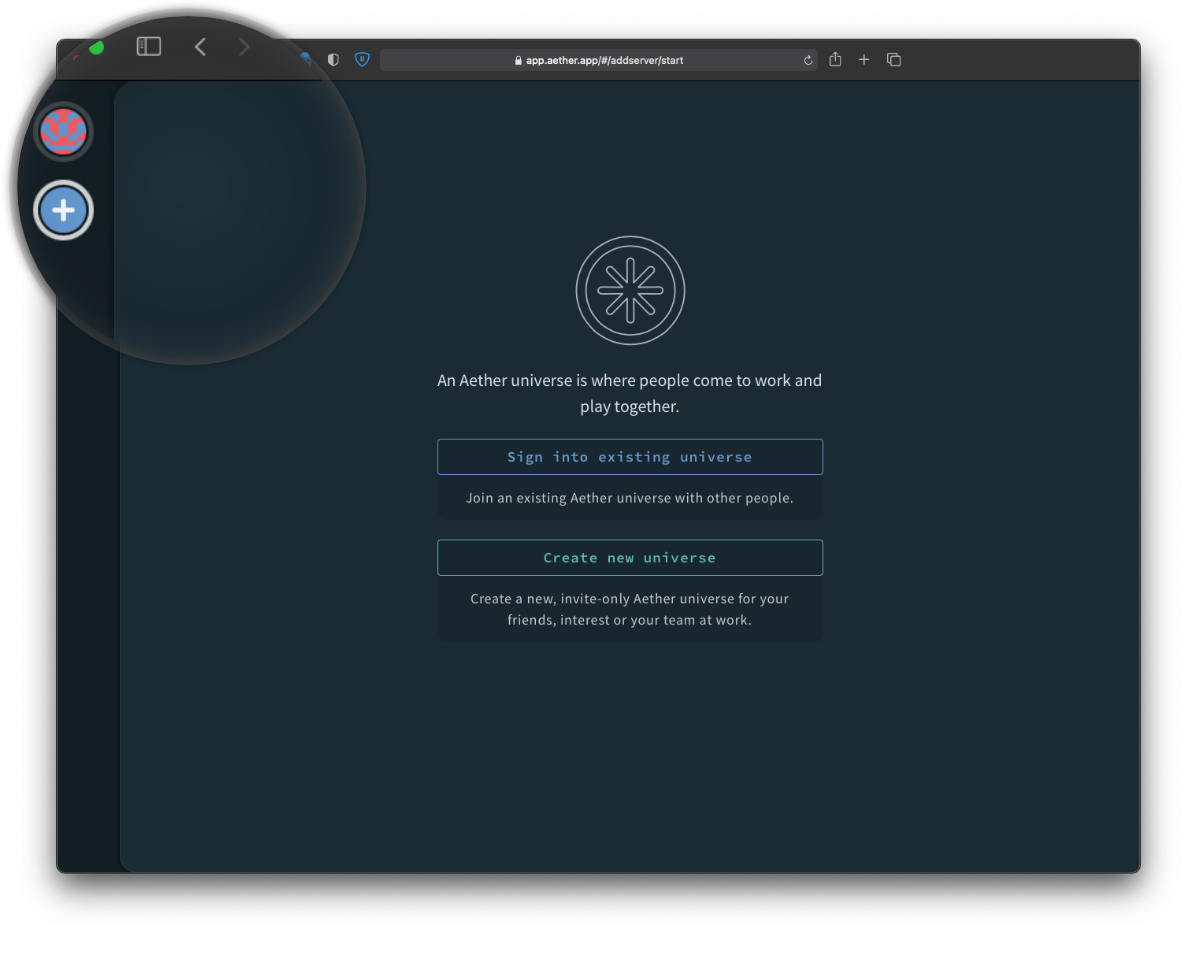
As a result of this discussion, we ended up creating the v2 of Aether Pro, which had these features influenced by research:
-
Freemium. We no longer had a per-user fee and most features were accessible for free.
-
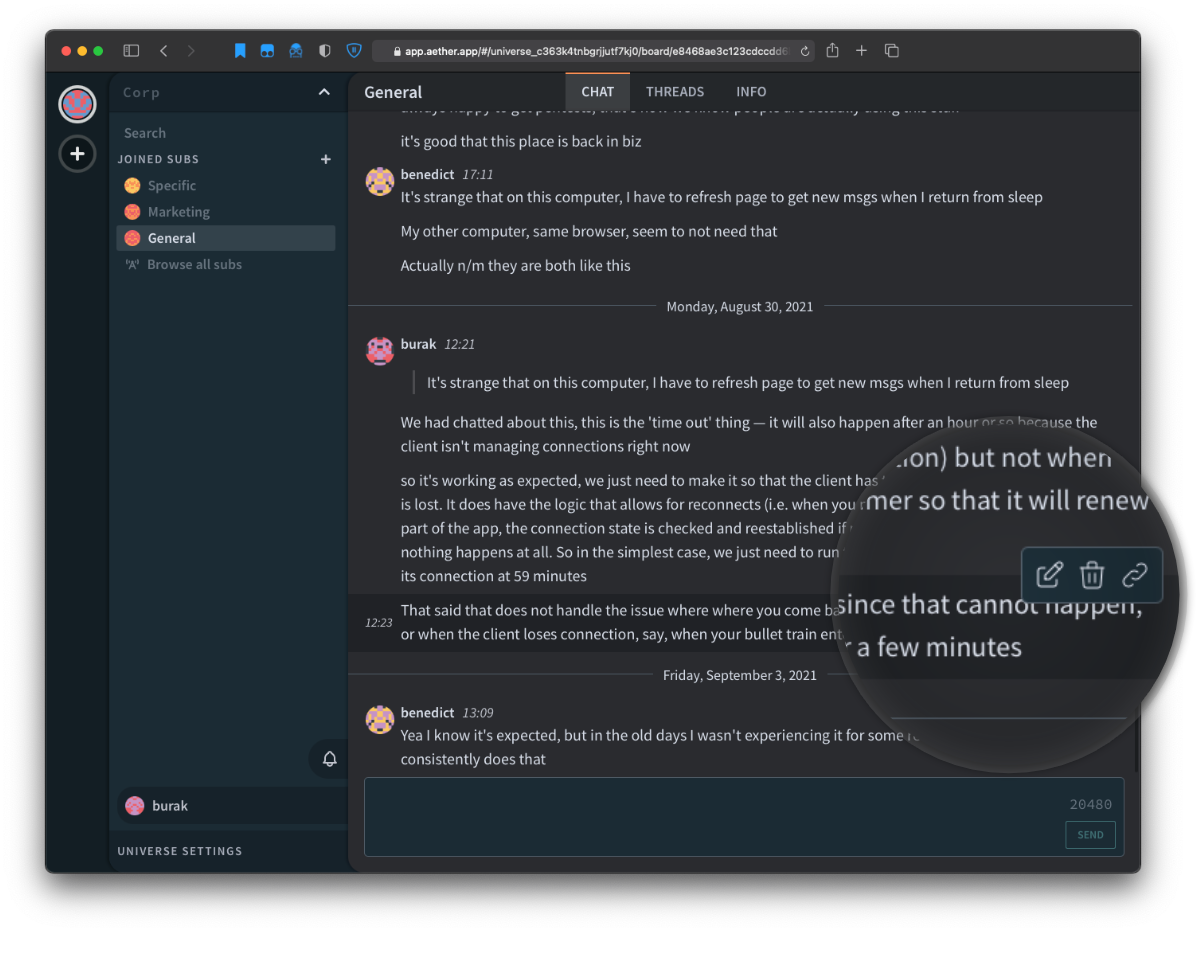
Chat-first. We built a chat backend and made it a first-class citizen. Now, our channels both had a discussion forum, and a chat, so that the users could choose one or the other, or hopefully both.
-
Web-app first. We deprecated the Pro web app and made the v2 Pro entirely a web app. While we could eventually get back to releasing a native app also, our customers appear to vastly prefer web apps over native apps that have to be installed.
Metric improvements
As a result of this, we’ve moved from 44~ teams, with 2 net teams added per month, to 658 teams (as of November 2021) with 131 net teams added per month.
Solutions
Watercoolers and meeting rooms. A tool that provides both short-form (chat) and long-form (forum threads) communication, with integration between them. This is a way to relieve chat of its ill-fitting duty as the long-form discussion system.
Allow easy email-like thread creation from chat, and that can be done retroactively: a chat user selects a few chat messages, and selects ‘create new thread from chat discussion’ from the hover menu. That is all it takes to carry a discussion over when it starts to get serious.
Long-form discussion supplemented by internal wiki. Design an internal email-like forum and wiki, so threads created from chats have a permanent place to be archived and searched.
On top of what we already had from Aether P2P, build features where certain messages can be marked as the ‘solution’, to render a message the canonical response, or to end a thread with a conclusion.
A notification system that enforces hygiene. A system where chat messages do not generate notifications unless mentioned, and only ‘forum’ threads do. This system primarily enforces the ephemerality of chat, intending to render the chat a ‘water cooler’, a good way to start a discussion, but not the place to make a decision.
Design
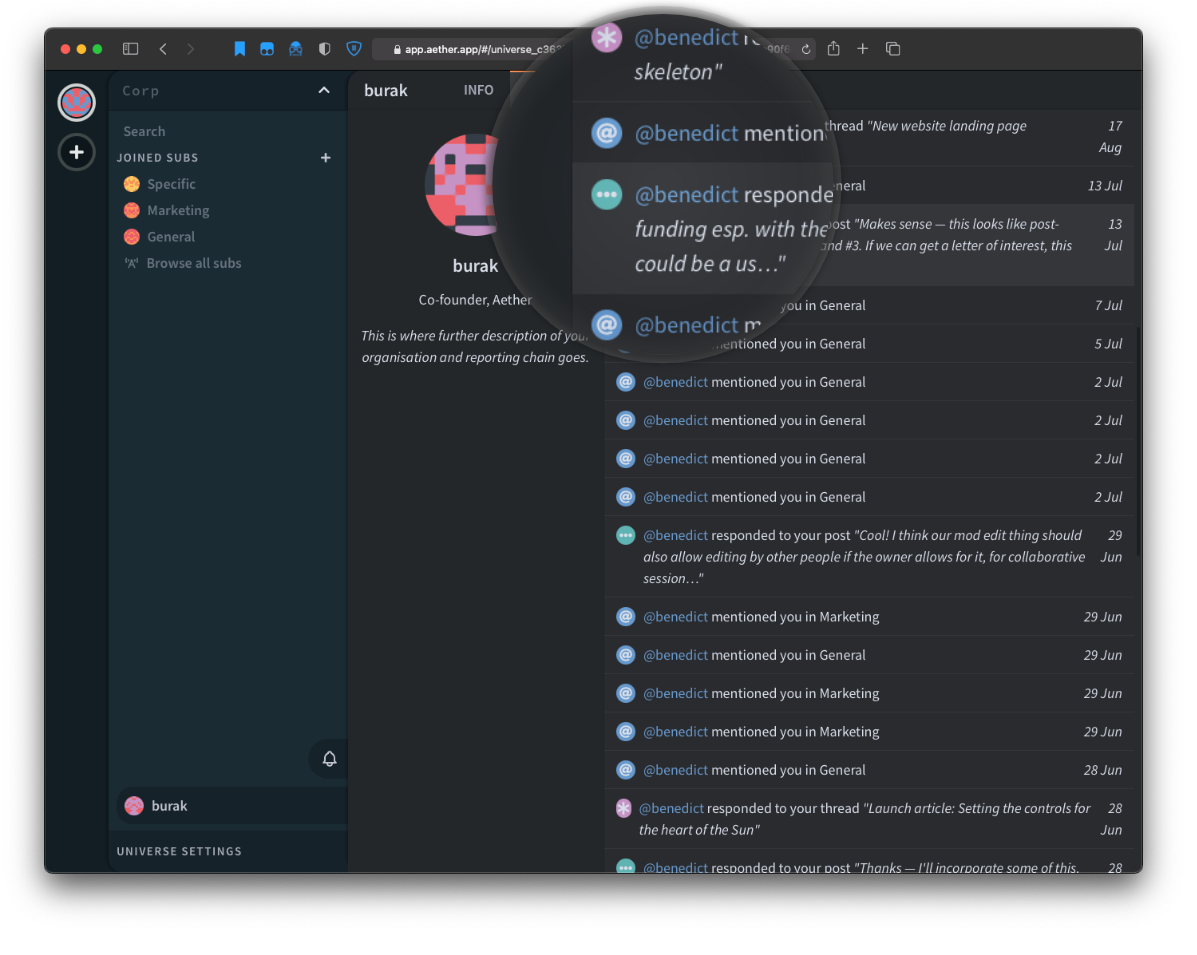
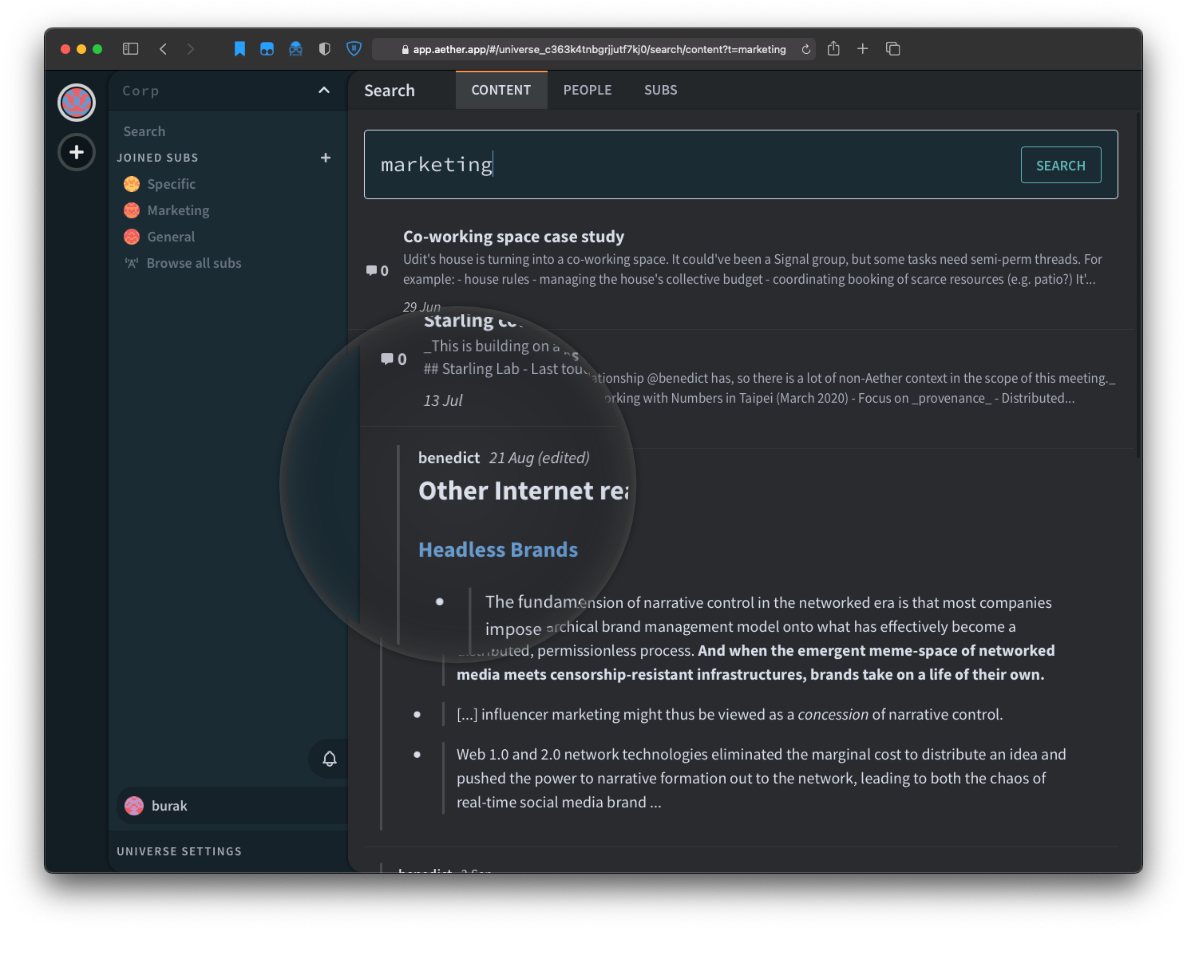
Links
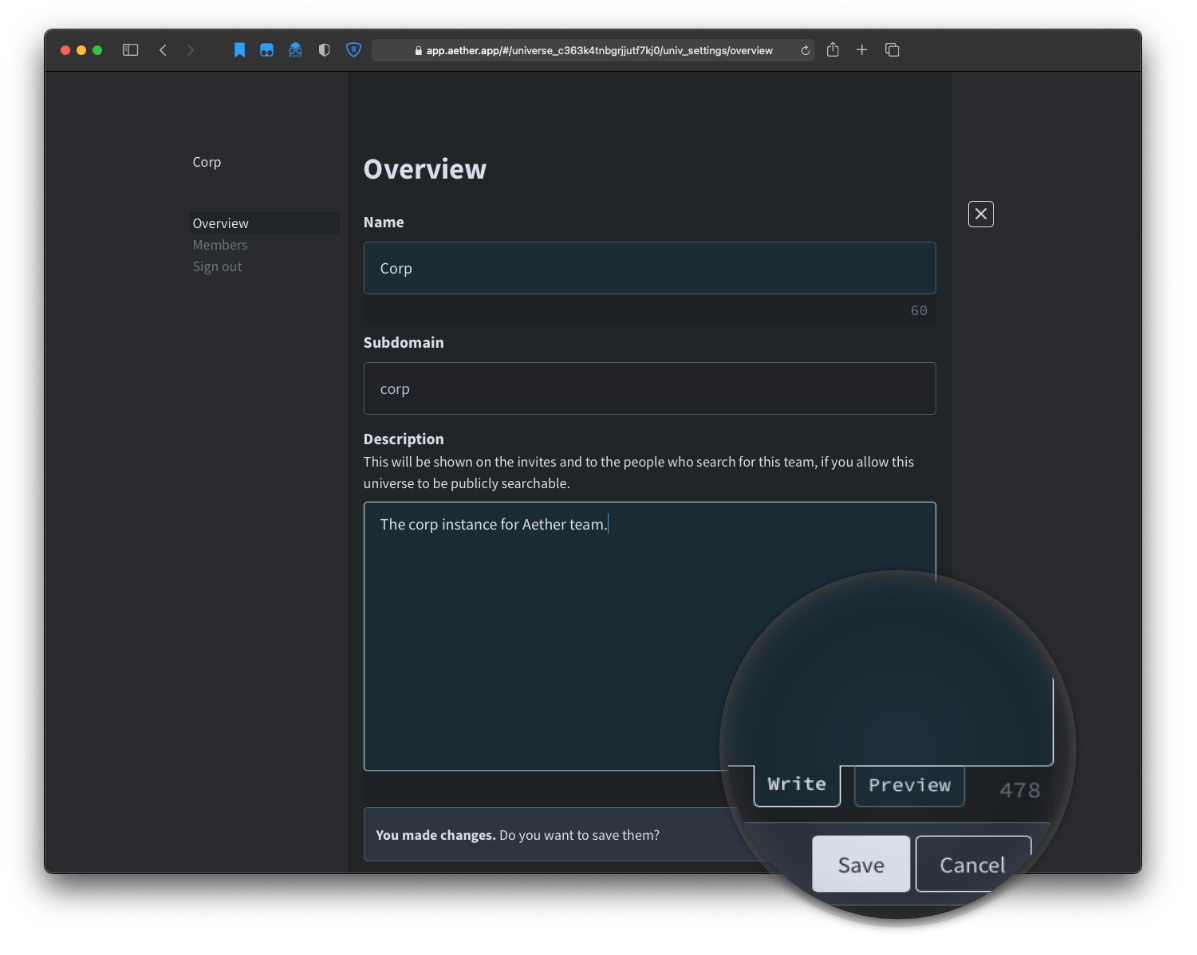
Aether Pro is also a real, shipped product with 700+ teams using it. It’s available as a freemium service. As of November 2021, you can still sign up and try it.
- Ather Pro: aether.app
User feedback
“Aether is beautiful — Can we appreciate for a moment how well designed this app is? This is probably the most enjoyable-to-look- at social network that I’ve been a part of”
— @denote
“It is a gorgeous, simple design, flat and uncluttered. It looks great black in night mode.”
— @ephemeral
“Dark mode is lovely. Font choice is great. It’s not cramped. Totally worth the wait from prior version to be testing this out. It’s just a nice layout, and I feel like it just ‘breathes’ much better and flows compared to the popular sites like Reddit.”
— @AetherTester
“Hi, just trying out Aether for the first time and i’ve got to say it looks fantastic. Looking forward to more updates.. Great work!”
— @aetherjim
“Aether is working really nicely! Good job! I don’t see any major issues with it. It feels super stable and functional. All basic features seem to work perfectly. It doesn’t even feel like a ‘beta’. I also really like the design, it doesn’t look like ‘programmer art’ at all. This looks like someone who actually knows something about UX designed it.”
— @LiveLongAndProsper
“UI feels really polished for how early it is. Been using Aether for just under an hour, and everything feels really smooth and clean. Also, Dark Mode <3”
— @jay
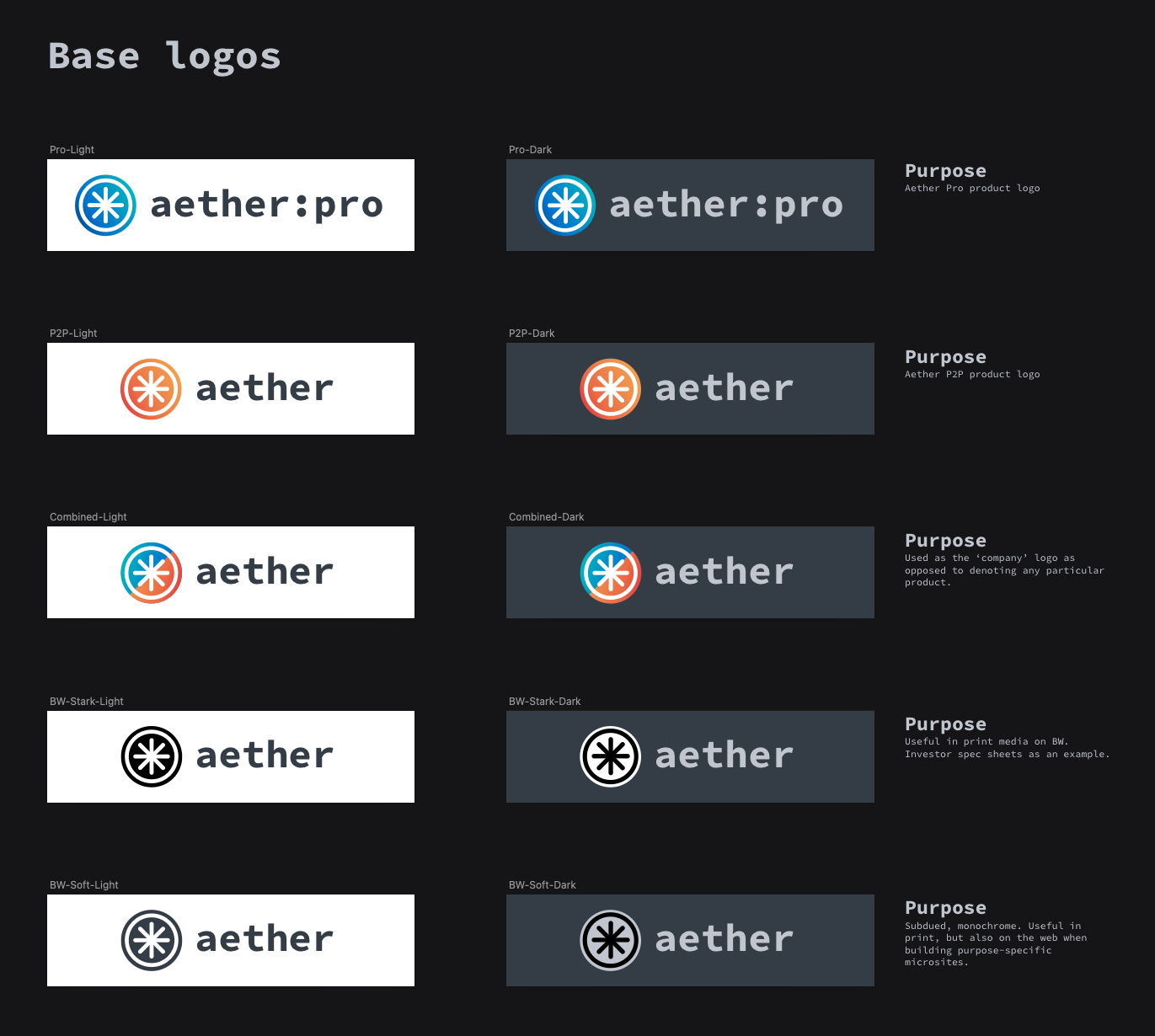
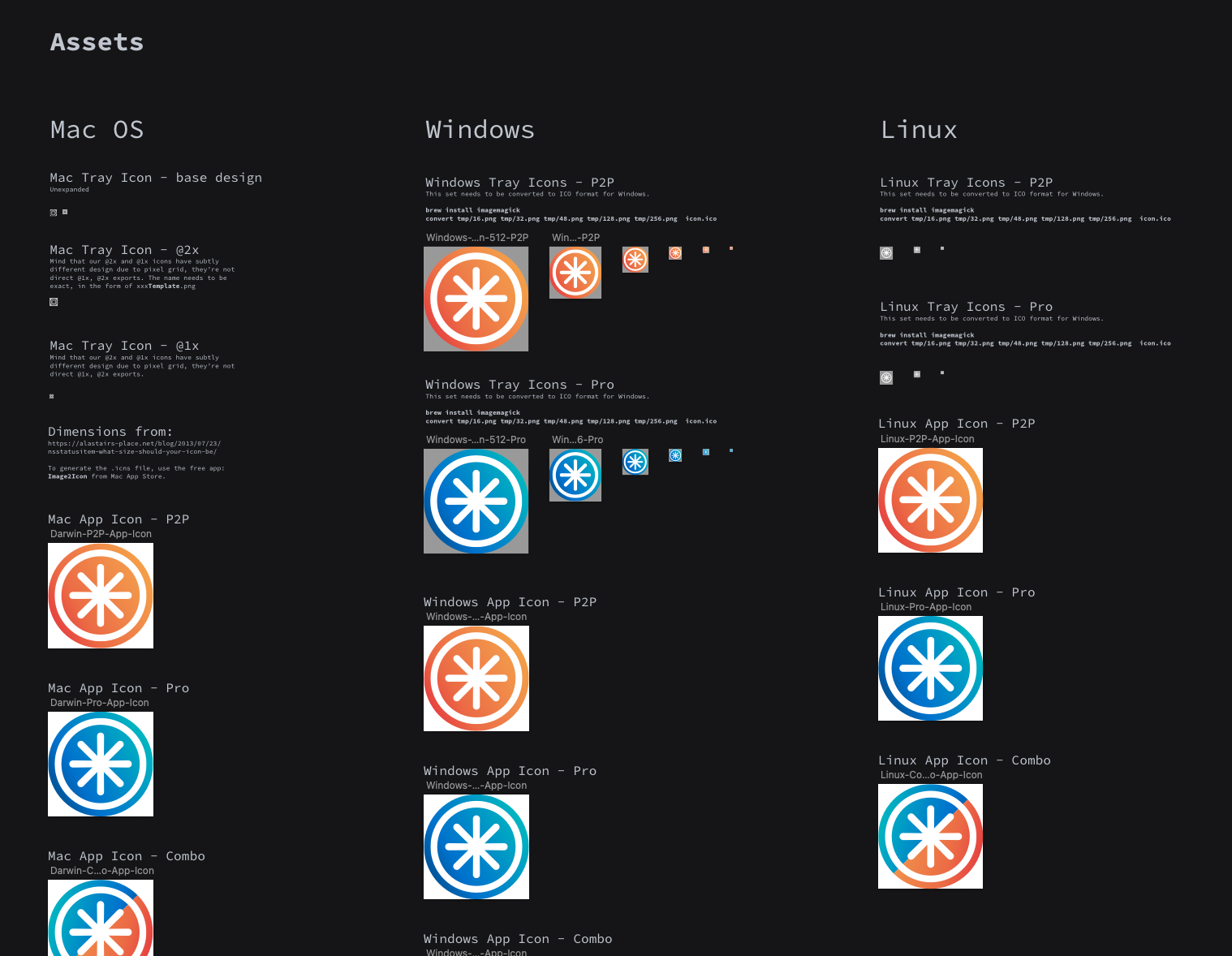
Branding
Metrics
As of November 2021:
Aether P2P
-
~2000 monthly active users
-
1310 communities
-
11025 threads
-
22536 posts
-
62756 votes
Aether Pro
-
~658 freemium teams
-
757 active users
-
Biggest team: 16 users
Press & Recognition
The Verge (Article)
Aether aims to be a Reddit for the privacy conscious
Google hires creator of Aether encrypted social network
ZDNet (Article)
Google poaches encrypted social network creator
The New Stack (Article)
Aether: A Decentralized Reddit with Self-Moderation and Privacy
Internet Archive (Talk)
NODE (Print magazine)
Tools for the Decentralized World
Our Networks (Conference)
Aether: Distributing Social Networks Without Distributed Consensus
Metagovernance Seminars (Conference)
Twitter Bluesky Reports (Report)
Redecentralize (Newsletter)
Duration
March 2018 → Nov 2021
Role
- Design lead
- Chief executive
- First engineer (Mar ‘18 → Dec ‘20)
Design work
- Product design for Aether P2P, Aether Pro
- Web presence
- Branding
- Illustrations
- Marketing assets
- Investor decks
- Email design for newsletters, transactional emails
Executive work
- Raised 2 venture capital rounds, both from VC firms and angels
- Built a small team supported by a network of consultants
- Aether Technologies, Inc made revenue positive as the chief executive Jan ‘19 → Nov ‘21
Engineering work
- Building of the Aether UI Kit in Typescript and Vue.js
- Building the P2P networking backend that runs the Aether P2P network, in Go
- Implementing the native apps using Electron
- Building the web app on Kubernetes structured as a microservice architecture, hosted on AWS, Netlify, fronted by Cloudflare